Tolerance & numbness
Why porn stops feeling satisfying: understanding escalation, numbness and habituation
Opening twenty browser tabs, skipping ahead every ten seconds, and searching for more extreme categories—only to feel completely hollow afterward? Here is how novelty overload works and how to dial your sensitivity back.
Prepared by Transform · Published · Updated
Short answer Finding ordinary content boring, opening dozens of tabs, or drifting toward more extreme categories is a common effect of habituation to constant novelty. When your attention is fed rapid-fire visual clips every day, your threshold for stimulation rises while real satisfaction drops. Stepping back from multi-tab hunting and high-speed feeds lets your everyday sensitivity settle back down.
Almost everyone who decides to cut back on porn recognizes this phase: what used to be a ten-minute habit slowly turns into an hour-long session with fifteen open browser tabs. You find yourself scrubbing through timelines ten seconds at a time, hunting for something more intense or unusual, sometimes clicking on categories you do not even like in real life.
And the worst part is how it ends. The second you close the browser, there is no real satisfaction—just a heavy, hollow fog and the unsettling thought: “What is wrong with me?”
Escalation does not mean you are becoming a bad person
First, let’s take the panic out of the room: drifting toward more extreme or unfamiliar material during heavy porn use is a textbook example of habituation, not a sign that your core character or values have rotted.
Think about walking into a noisy restaurant or a heavily scented room. In the first minute, the sensory input is overwhelming; twenty minutes later, you barely notice it unless the volume gets turned up even higher. High-speed tube sites work the same way. When you scroll past fifty high-intensity clips in a single sitting, what excited you last month stops registering as novel. To get the same jolt of attention, your brain starts reaching for shock value, taboo, or sheer strangeness—because surprise itself triggers arousal when familiar things go flat.
The 20-tab trap: why you are chasing the search, not the ending
If you watch your own behavior during a long session, you will notice something strange: you spend almost the entire time searching, switching tabs, and skipping ahead, and almost no time actually feeling satisfied.
Infinite scroll and instant video scrubbing keep your brain locked in a loop of anticipation—“maybe the next clip will finally hit the spot.” Nothing in the physical world works at that pace. When you finally close those twenty tabs and sit in a quiet room, the sudden drop from hyper-stimulation to normal life feels like a hard crash, leaving you numb, irritable, and drained.
- Novelty overload: rapid tab-switching trains your attention to expect a brand-new stimulus every few seconds.
- Mistaking anxiety for arousal: taboo or extreme categories trigger a mix of shock and uneasiness, which a tired brain easily confuses with excitement.
- Everyday life feels muted: right after hours of high-contrast screen stimulation, normal conversation, work, or real physical touch can temporarily feel slow and underwhelming.
How to let your sensitivity settle back to normal
You do not need pseudoscientific promises or a magic number on a calendar for your senses to recover. Just as your tolerance climbed in response to constant high-speed novelty, it steps back down when you stop bombarding your attention with endless tabs:
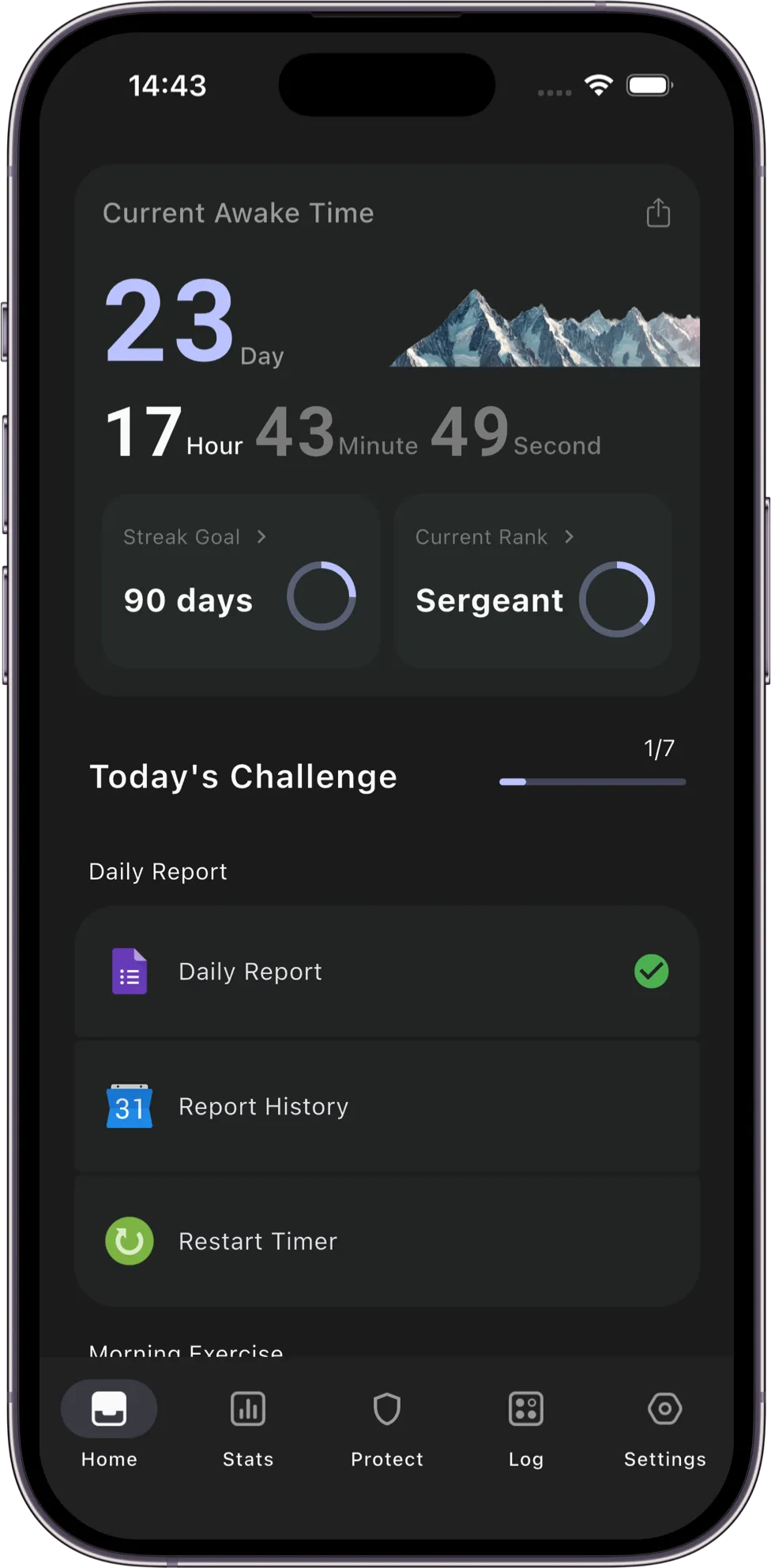
- Transform: Track your progress with the live timer and check-ins
- Transform: Use the 5-tool emergency toolbox during urges
- Stop the multi-tab marathon first: even as you work on cutting back overall, draw a hard line against opening multiple tabs or spending an hour hunting and scrubbing through clips.
- Cut back on high-speed suggestive feeds too: if you stop watching adult sites but spend two hours a day scrolling rapid-fire thirst traps on social media, you are still keeping your novelty threshold sky-high.
- Practice single-tasking in daily life: go for a walk without a podcast playing at 2x speed, eat a meal without looking at a screen, or focus on physical exercise. Let your brain get used to normal, unhurried pacing again.
- Give it quiet time without constantly “testing” yourself: just like your ears need peace and quiet after a loud concert, your attention needs a stretch of lower stimulation before everyday pleasures start feeling vivid again.
What to do right after a session that left you disgusted
When people close a tab they regret watching, their first instinct is usually to sit in the dark and spiral into self-hatred.
Do not turn a sensory tolerance loop into an identity crisis. What you clicked on at the end of a two-hour binge reflects novelty fatigue, not who you are. Close all browser windows, clear your tabs, stand up and splash cold water on your face, and jot down a two-sentence note in your trigger journal about what started the binge so you can block that entry point tomorrow.
Frequently asked questions
Why did my tastes get more extreme the more I watched?
When you watch high-intensity clips frequently, familiar scenes lose their novelty (habituation). To generate the same level of alertness and arousal, your brain starts looking for unfamiliar, shocking, or taboo material. When you take a sustained break from marathon browsing, that pull toward extreme categories usually fades significantly.
Why do I keep scrolling even when I am bored by what I am watching?
Because the habit of hunting for the next clip can keep running on autopilot even after your senses are exhausted. At that point, you are chasing relief from boredom or stress rather than enjoying the content. Closing the screen and changing rooms is the only thing that breaks the loop.
How long does it take to stop feeling numb after cutting back?
There is no fixed countdown that applies to everyone—it depends on how much you were watching, how you sleep, and how much other screen stimulation you consume. Focus on steady sleep, physical movement, and real-world activities rather than watching the clock.
How do I shake off the brain fog and emptiness right after a slip?
That heavy feeling is usually a mix of late-night sleep loss, prolonged tension, and post-slip guilt. Drink a glass of water, eat something simple, and step outside or move your body for ten minutes instead of lying in bed ruminating.
Your capacity to enjoy real life is not broken—it is just shouted over by too much noise. Step away from the twenty-tab marathon, give your attention some quiet room, and let normal life catch up.
Sources and further reading
- Rankin et al. (2009): Habituation revisited—an updated and revised description of the behavioral characteristics of habituation
- Bőthe et al. (2018): The development of the Problematic Pornography Consumption Scale (tolerance & escalation dimensions)
This guide offers general self-help information. It is not medical advice, therapy, or crisis support.