Understand yourself
A simple trigger journal: what to record and what to leave out
Learn how to record time, context, emotion, intensity, and response so patterns become easier to see without turning the journal into self-surveillance.
Updated
A trigger journal is not a confession and it is not a scorecard. It is a small record of what was happening around an urge or an unwanted action. Its value comes from making repeated conditions easier to notice.
Keep the record short enough that you will actually use it. You are looking for patterns that can guide the next change, not a complete explanation of yourself.
A trigger is context, not a verdict
A trigger can be external, such as being alone with a phone late at night, or internal, such as boredom, anxiety, rejection, or fatigue. It may also be a sequence: a notification leads to scrolling, scrolling leads to a search, and the search leads somewhere you did not intend to go.
Noticing a trigger does not excuse every action, and it does not diagnose a condition. It gives you a more specific place to intervene than “I need more willpower.”
Record five useful details
Use a few words or selections. The journal should take less time than the pattern you are trying to understand.
- When and where: time, place, and whether you were alone.
- What came before: an app, conversation, task, memory, or period of scrolling.
- Emotion and body state: bored, anxious, lonely, tired, restless, or something else.
- Intensity: a rough scale you can use consistently, not a clinical measurement.
- What you did next: acted, paused, changed rooms, used a blocker, or chose another activity.
Review patterns, not isolated entries
One entry may reflect an unusual day. After several entries, look for combinations that repeat: a time window, a particular app, being overtired, an unfinished task, or the minutes after a conflict.
Reviewing once or twice a week is often enough for a self-help journal. Constantly checking the record can make it feel like surveillance instead of reflection.
Turn one pattern into one environment change
Choose the pattern that is both common and practical to change. If late-night scrolling repeats, charge the phone outside the bedroom or schedule a limit. If a specific app starts the sequence, place friction before that app. If loneliness is present, prepare one low-pressure way to contact someone.
The journal has done its job when it helps you make a clearer next decision. It does not need to become a permanent archive of every difficult moment.
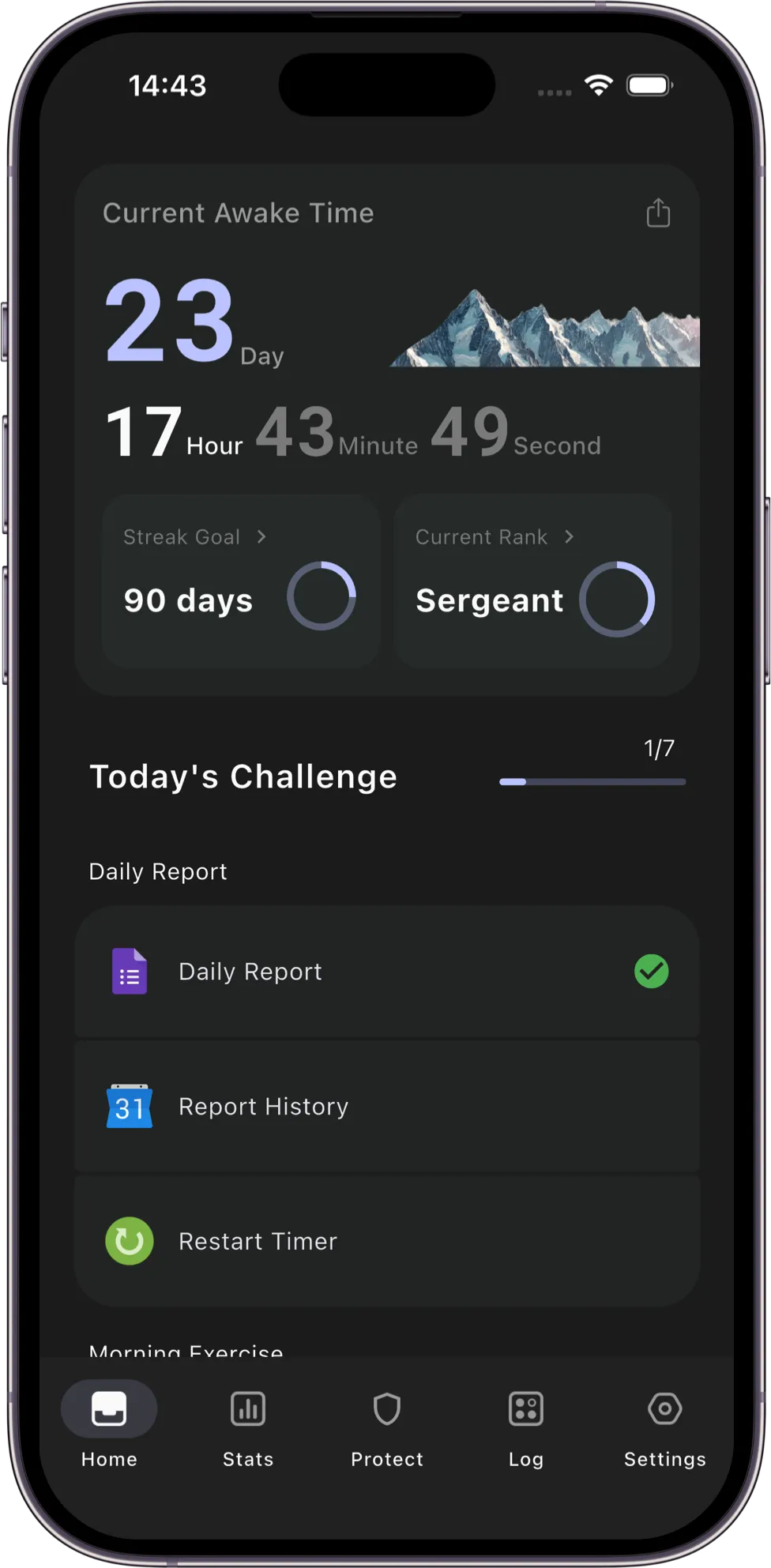
Transform lets you record emotions, triggers, higher-risk times, and what happened next. Keep only the details that help you understand your own pattern, and review them with curiosity rather than punishment.
Sources and further reading
This guide offers general self-help information. It is not medical advice, therapy, or crisis support.