Self-check
Am I addicted to porn or just stressed and bored? 6 questions to ask yourself
Turning to porn more often than you want—and wondering if you have a deeper problem? Before panicking over internet labels, use 6 grounded questions and WHO criteria to see what is really driving the habit.
Prepared by Transform · Published · Updated
Short answer Watching porn frequently or feeling guilty afterward does not automatically mean you have a clinical addiction. Many people get stuck because porn has become their default way to numb stress, loneliness, or boredom—or because harsh self-judgment fuels an anxiety loop. Looking honestly at loss of control, real-life impact, and emotional triggers helps you choose the right next step without panic.
After breaking a promise to yourself for the third or fourth time, it is natural for a scary question to creep in: “Am I actually addicted to this?” And if you search that question online, you will immediately run into dramatic forum posts and frightening self-diagnoses that make you feel broken.
Take a breath before slapping a heavy label on yourself. Calling every stubborn habit an “addiction” often makes people feel helpless—and helplessness makes you more likely to give up. Instead, let’s look at what clinicians actually measure and ask six grounded questions about what is happening in your day-to-day life.
First, separate “I feel bad about this” from “I cannot control this”
Clinicians and researchers are careful about how they define out-of-control sexual habits. In the World Health Organization’s ICD-11, the condition is called Compulsive Sexual Behaviour Disorder—and it includes a crucial rule: distress that comes entirely from moral judgment or disapproval is not enough for a diagnosis. WHO ICD-11: diagnostic criteria (6C72)
Why does that matter? Because two people can feel equally miserable for completely different reasons. One person might watch occasionally without it harming their work or relationships, yet feel crushed by shame because of strict personal beliefs; research by Grubbs and colleagues (2019) shows that this moral conflict alone can make someone feel “addicted” and anxious. Another person might not care about moral rules at all, yet spend hours watching every day despite losing sleep, missing deadlines, and wanting to stop. Knowing which struggle is yours changes how you address it. Grubbs et al.: systematic review
6 honest questions to map out where you stand
This is not a medical diagnosis, but answering these six questions plainly will tell you a lot about what the habit is doing in your life:
- Is it crowding out things you actually care about? Have you been late to work, missed assignments, lost hours of sleep, or pulled away from friends or a partner because of it?
- Do you reach for it when you are not even horny? Notice how often you open a browser right after a stressful meeting, an argument, a lonely evening, or a stretch of procrastinating on a hard task.
- Does “just five minutes” regularly turn into an hour or two? Consistently losing track of time despite setting a boundary is a clearer sign of lost control than how many days a week you watch.
- How do you feel ten minutes afterward? Does it actually leave you relaxed, or do you mostly feel drained, foggy, and frustrated with yourself?
- If you cannot watch tonight, what emotion shows up first? Often the feeling that surfaces—restlessness, resentment, loneliness, or work anxiety—is the exact feeling you have been using the screen to mute.
- What have you actually tried so far? If your only strategy has been “try harder and beat myself up when I slip,” failing at that does not mean you are beyond help—it just means willpower alone is a weak tool.
When stress and boredom wear the mask of an urge
Keeping a journal for a week or two can help you notice whether urges recur after work, during procrastination or when you feel alone. Treat these as examples to check against your own records.
Your brain hates sitting with unresolved tension or emptiness. If you do not have easy, low-effort ways to decompress, porn becomes the default escape valve simply because it is free, private, and works in seconds. You are not necessarily hooked on the images themselves; you are hooked on the ten minutes of not having to think about your life.
Matching your next step to what you found
Once you drop the panic, you can pick a practical response that fits your actual situation:
- If shame and fear are doing most of the damage: step away from fear-mongering forums. Replace “never again” vows with a calm, specific goal—like keeping your phone out of bed after 11 p.m.
- If you are using it as a stress killer: do not just block websites; give yourself two realistic ways to blow off steam when you are fried—a brisk walk, a hot shower, or a two-minute breathing reset.
- If it truly feels compulsive and is hurting your life: alongside practical barriers and daily tracking, consider talking with a licensed therapist who works with CBT or ACT. You do not have to untangle it alone.
Frequently asked questions
Does watching porn every day mean I am addicted?
Frequency alone does not define compulsion. Clinicians look at whether you repeatedly fail to cut back despite trying, whether it interferes with work, sleep, or relationships, and whether it continues even when it no longer brings real satisfaction. Even if it is not a clinical disorder, wanting your time and focus back is reason enough to change the habit.
Why does beating myself up make me relapse faster?
Harsh self-criticism creates a spike of shame and stress. If your brain’s favorite way to numb stress is opening a browser, attacking yourself sets up the exact emotional trigger that causes the next slip.
How can I tell what my real triggers are?
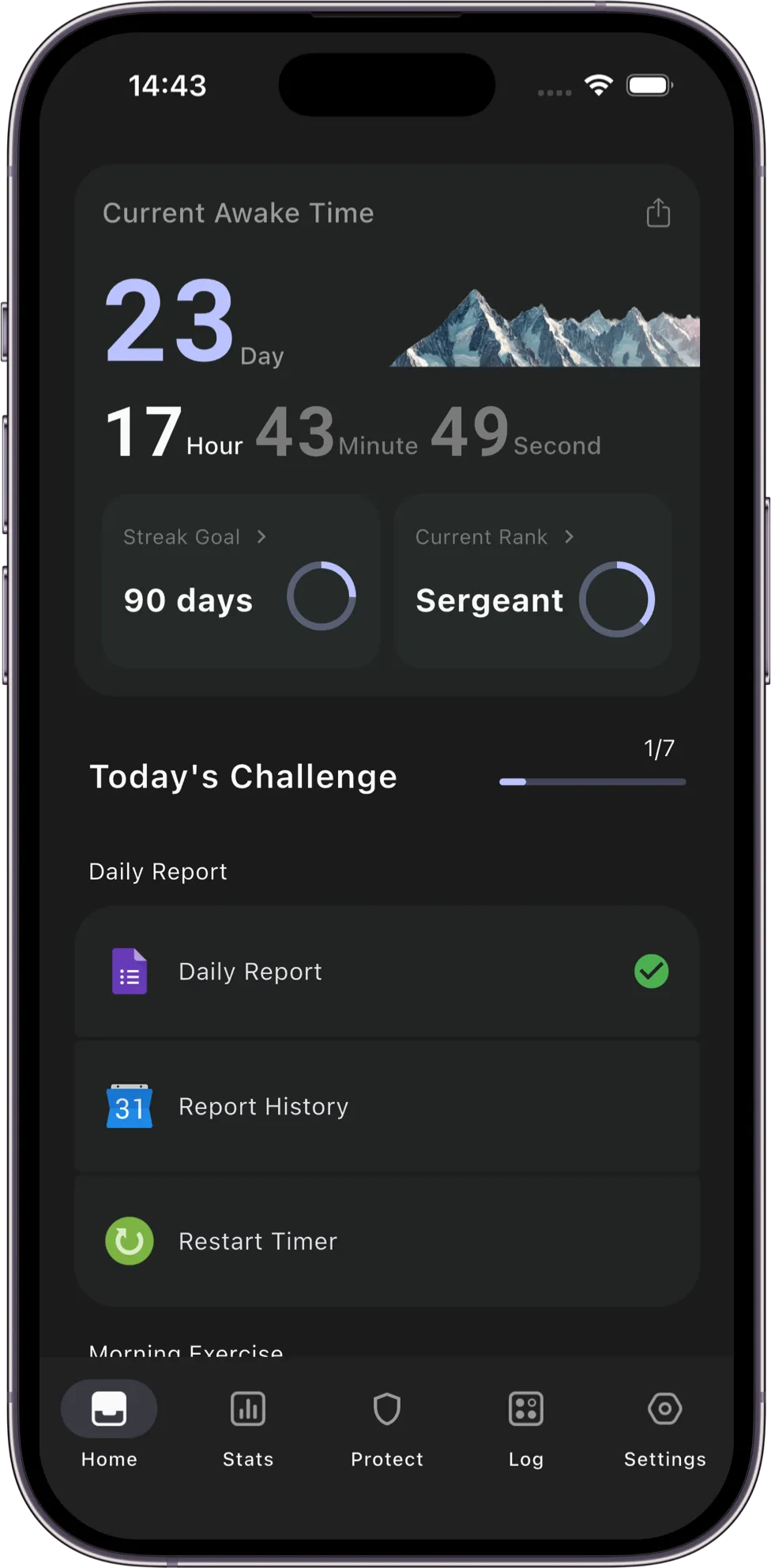
Memory is unreliable when you are tired. For one week, take 30 seconds in Transform’s trigger journal whenever an urge hits to log the time of day, where you are, and what you were feeling five minutes earlier. The pattern usually becomes obvious within a few entries.
When does it make sense to talk to a therapist?
If you have set up practical limits and tried to cut back for months, yet the habit still feels out of control or is damaging your relationship, work, or mental health, a licensed mental health professional can help you address the underlying stress and compulsion without judgment.
You do not need a scary label to justify making a change. If a habit is costing you more peace than it gives back, you are allowed to outgrow it—one practical adjustment at a time.
Sources and further reading
- WHO ICD-11: 6C72 Compulsive sexual behaviour disorder
- Grubbs et al. (2019): Pornography problems due to moral incongruence—systematic review and meta-analysis
- American Psychological Association: Is pornography addictive? Clinical perspectives
This guide offers general self-help information. It is not medical advice, therapy, or crisis support.