Relationships
Watching porn in a relationship: why it happens and how to rebuild real intimacy
You care deeply about your partner, yet still find yourself watching porn in secret—or feeling distant and anxious during real sex. Here is an honest, shame-free look at why screens feel “easier” than people, and how to find your way back.
Prepared by Transform · Published · Updated
Short answer Turning to porn while in a committed relationship rarely means you do not love your partner. More often, your brain chooses the screen because it asks for zero vulnerability, carries no risk of rejection, and numbs stress in minutes. However, regular private sessions can drain your energy and create performance anxiety in bed. Cutting back on screen stimulation and rebuilding low-pressure physical closeness helps bring your attention back to your partner.
It is one of the hardest things to admit, even to yourself: you love your partner, you find them attractive, and you care about your future together—yet the moment they leave the house or fall asleep first, you still catch yourself reaching for your phone to watch porn.
Worse still, when the two of you actually are intimate, you might feel distracted, pressured to perform, or strangely detached—followed by a wave of guilt that makes you wonder why a six-inch screen sometimes feels easier than being with the person you love.
Why a tired brain sometimes picks a screen over a real partner
If you strip away the moral judgment and look at how your brain experiences “watching porn” versus “being intimate with a partner,” they are two completely different activities.
Real intimacy is two-way and emotionally vulnerable: you have to tune in to your partner’s mood, navigate timing, care about their pleasure, and risk feeling awkward or out of sync. A screen, on the other hand, is one-way, zero-effort, and on-demand: it never says “not tonight,” never judges your body or mood, and delivers a predictable release in ten minutes.
When you are stressed, tired from work, or feeling slightly disconnected after a busy week, your brain does not reach for porn because it prefers pixels over your partner. It reaches for porn because it is looking for the laziest possible way to let off steam without having to show up emotionally.
How a private porn habit quietly pulls couples apart
While occasional privacy does not automatically ruin a relationship, funneling most of your sexual energy into a screen takes a real toll over time:
- Depleted energy and desire: when you regularly spend your drive on private sessions, you have less spontaneous energy left for your partner, who often senses the distance without knowing why.
- Mismatched sensory expectations: porn trains your attention on rapid camera cuts, endless variety, and purely visual cues, whereas real sex relies on touch, pacing, warmth, and emotional presence.
- Spectatoring and performance anxiety: worrying about whether your body will respond the way it does with porn pulls you out of the moment and turns intimacy into a pass-or-fail test.
- The weight of secrecy: hiding a habit you feel ashamed of creates a subtle wall of defensiveness and avoidance in everyday conversations.
Practical steps to bring your energy back to your relationship
Rebuilding closeness does not require a dramatic confession on day one or perfection overnight. Start with concrete shifts in where your energy goes:
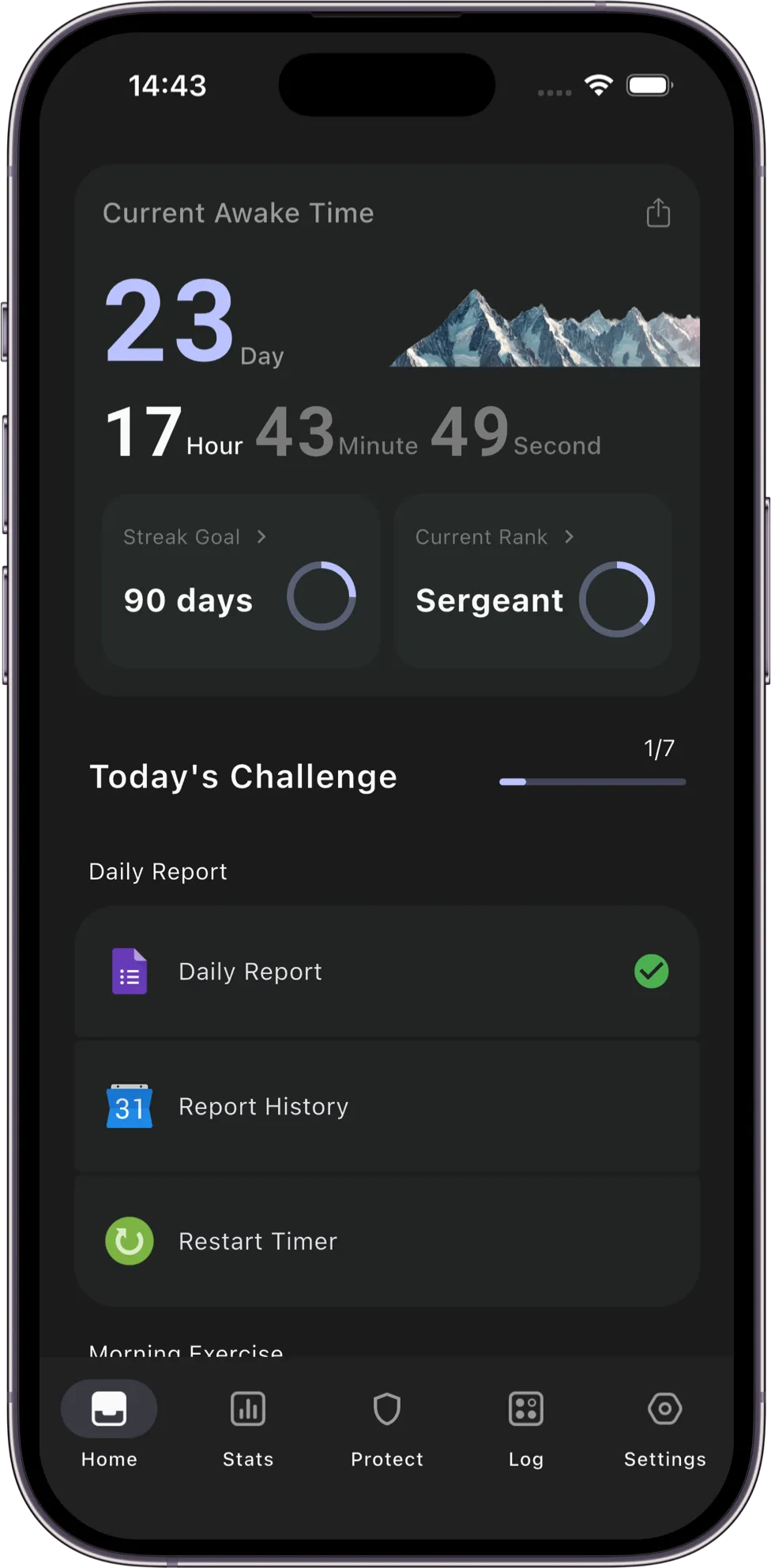
- Transform: Write your personal commitment and private notes
- Transform: Local-first privacy and encrypted backups
- Stop letting the screen eat first: set up website and app protection before the times you usually slip—like when your partner goes out or right before bed—so your sexual energy stays within your relationship.
- Rebuild affection without a performance agenda: if sex has started to feel tense, take the pressure off. Focus on ten-second hugs, holding hands on a walk, or cuddling on the couch without expecting it to lead anywhere.
- Get out of your head and into your senses: when you are intimate with your partner and notice yourself mentally checking your performance, bring your attention back to physical sensations—their breathing, the warmth of their skin, and the pace of the moment.
- Say “I am exhausted” instead of disappearing with your phone: when you are simply too drained for sex or conversation, tell your partner honestly that you had a long day and just want to hold them and rest.
Should you talk to your partner about it?
There is no one-size-fits-all rule that says you must unload every browsing detail onto your partner—in fact, dumping raw details just to relieve your own guilt often leaves a partner feeling needlessly insecure and compared.
If the habit is affecting your bedroom life and you choose to talk about it, keep the focus on two reassuring truths: first, that this has nothing to do with their attractiveness and everything to do with a stress habit you built on your phone; and second, that you are already taking concrete steps to change it because you value your closeness with them. If both of you feel stuck or hurt, a couple’s counselor or sex therapist can offer a safe, structured space to work through it together.
Frequently asked questions
Does watching porn in a relationship mean I do not love my partner?
Almost never. Love is about attachment, care, and shared life, whereas reaching for porn is usually an ingrained shortcut for escaping stress, boredom, or fatigue. Recognizing that difference helps you change the habit without spiraling into guilt.
Why do I feel anxious or distracted during real sex, but not when watching porn?
With a screen, you are an anonymous spectator with zero pressure and instant fast-forward. With a real partner, you care about how they feel and worry about letting them down. That performance anxiety activates your stress response, which directly interferes with physical arousal. Stepping away from porn and slowing down physical intimacy helps your body relax again.
What if my partner already found out and feels hurt or unattractive?
Avoid getting defensive or brushing it off with “everyone does it.” Acknowledge their hurt directly, make it clear that the habit is about how you cope with stress rather than a lack in them, and back up your words with visible changes—like setting up phone limits and being more present at home.
Is my data private if I use Transform while living with a partner?
Yes. Transform saves your check-ins, trigger journal, and personal declaration locally on your device by default, with no public community profile or mandatory account sign-up.
A screen can give you a ten-minute distraction, but it cannot hold you back or build a life with you. Save your energy and attention for the person sitting across the room.
Sources and further reading
- Perry (2019): Pornography use and marital quality—a longitudinal and mechanism review
- Grubbs & Perry (2019): Moral incongruence and pornography use—relationship and distress outcomes
This guide offers general self-help information. It is not medical advice, therapy, or crisis support.